

The Gift of the Body: Faith, Fitness, and Living in Alignment with the Creator
There is something profoundly sacred about the physical body.
It breathes without instruction, heals quietly, carries us through seasons of joy and challenge, and holds every story we have ever lived.
In a faith-centered understanding of life, the body is not random it is a gift entrusted to us by the Creator. It is meant to be nurtured, respected, strengthened, and cared for with intention.
When we forget this, the body can become something we try to control or something we neglect altogether. But when we remember its sacred origin, something shifts.
The body becomes a place of stewardship, awareness, and devotion.
The Body as a Sacred Trust
To live with awareness of God is to recognize that the body is not fully “ours” to exploit or ignore. It is entrusted to us for a season. It allows us to move, serve, love, pray, and experience life. This perspective changes how we relate to everything: Movement becomes care. Rest becomes wisdom. Strength becomes stewardship. Breath becomes remembrance. We are not called to perfection, but to attentiveness learning to listen to what the body needs and respond with respect.
Scripture: The Body as God’s Temple
A foundational scripture that anchors this understanding is:
“Do you not know that your bodies are temples of the Holy Spirit, who is in you, whom you have received from God? You are not your own; you were bought at a price. Therefore honor God with your bodies.”
— 1 Corinthians 6:19–20
This verse brings clarity to how we approach health, discipline, and movement.
The body is not separate from spiritual life, it is part of it.
It is a place of dwelling, care, and honor.
In this light, physical training becomes stewardship rather than striving, and care becomes worship expressed through daily living.
Ashtanga Yoga as a Discipline of Presence (and Physical Stewardship)
Ashtanga Yoga is a structured discipline of breath, movement, and awareness that can support physical health, mental clarity, and emotional steadiness when practiced with consistency and sincerity.
This does not mean striving for perfection.
It means attentiveness.
Listening. Respecting limits. Building strength. Resting when needed. Nourishing with intention.
Within its traditional structure, the practice already reflects natural wisdom:
Moon days (new and full moons) are observed as rest days, honoring cycles of recovery and integration
Daily practice builds strength, discipline, and stamina through steady repetition
Breath and posture together cultivate awareness, focus, and presence moment by moment
It is important to say clearly and gently:
This practice is not a replacement for God, faith, or relationship with Christ.
It is a physical discipline that can support the body and mind, and when rooted in faith, it becomes a tool of stewardship not a spiritual substitute.
Breath, Awareness, and Returning to Presence
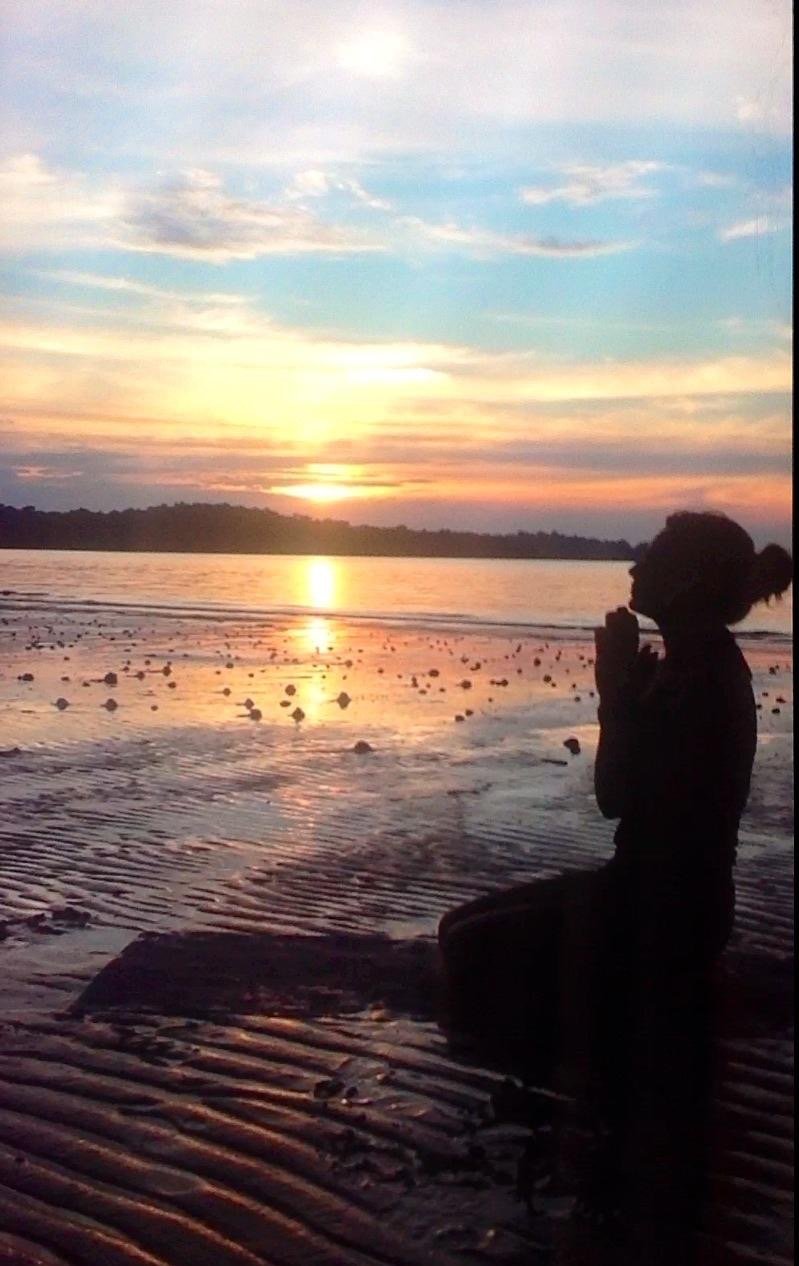
As we move through each posture, breath becomes the anchor.
It slows the mind, softens resistance, and returns us to the present moment.
Within this rhythm, something begins to happen naturally:
We learn to stay.
To observe.
To feel.
To be awake within the body.
Over time, distraction begins to loosen its grip, and clarity begins to rise.
Not through force but through presence.
Mantra as Prayer and Alignment with Truth
In traditional practice, mantra is used as focus.
In a faith-centered life, mantra can be understood simply as prayer spoken or internal expressions of surrender, gratitude, and remembrance of God.
It is not a replacement for God.
It is a way of quieting the mind and returning the heart to awareness.
Within a Christian foundation, this also includes grounding in God’s Word as truth, allowing Scripture and prayer to guide how we live, think, and care for our bodies.
In this way, breath, prayer, and Scripture all serve one purpose:
Returning us to truth, presence, and alignment with God.
The Eight Limbs of Yoga as a Reflection of Life in Faith
The eight limbs are not separate spiritual steps.
They can also be understood as a reflection of inner alignment and disciplined living:
1. Yamas — How We Live with Others
Integrity, truthfulness, non-violence, simplicity, and humility.
2. Niyamas — How We Live with Ourselves and God
Discipline, gratitude, purity, self-awareness, and surrender.
3. Asana — The Body as Stewardship
Movement as care. Strength, listening, rest, and awareness.
4. Pranayama — Breath as Awareness of Life
Each breath becomes a reminder of life given by God.
5. Pratyahara — Turning Inward
Letting go of distraction to regain clarity and stillness.
6. Dharana — Focused Attention
Steadying the mind on prayer, intention, or truth.
7. Dhyana — Meditation
Deep awareness and quiet presence.
8. Samadhi — Union
Abiding awareness of God’s presence , rest, trust, and stillness.
Practicing Without Confusion: Clarity and Foundation
It is important that this practice is understood clearly:
It is a physical discipline, not a spiritual replacement
It is a tool for health, strength, and nervous system balance
It does not replace prayer, Scripture, worship, or relationship with Christ
When kept in its proper place, it becomes a supportive practice that strengthens the body while honoring a higher spiritual foundation.
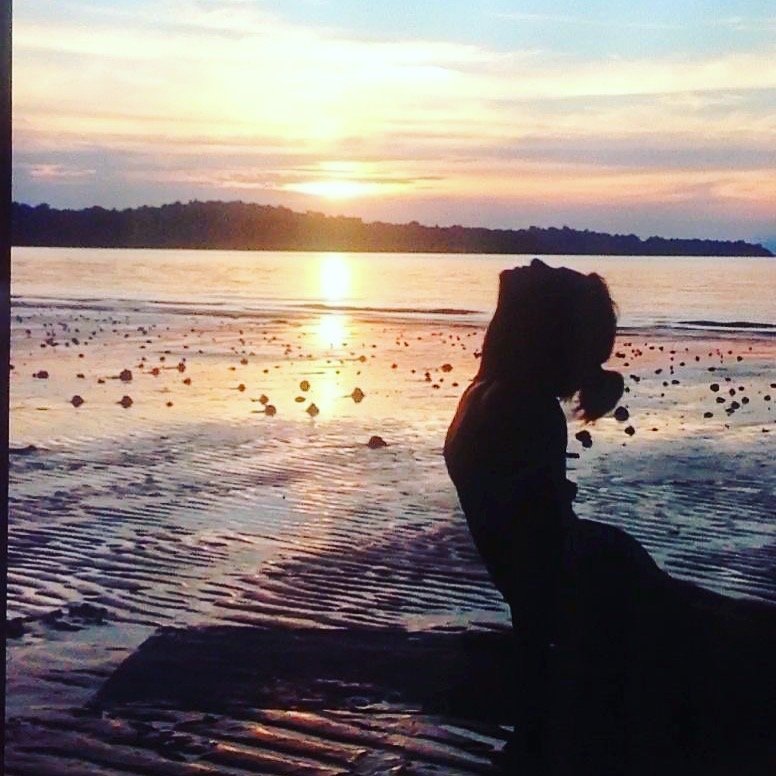
Relinquishing Distraction, Returning to Intention
Through consistent practice, distraction begins to soften.
Comparison, pressure, and mental noise gradually lose their hold.
In their place, intention becomes clearer.
For many, that intention becomes simple:
To live aligned with God.
To care for the body with gratitude.
To remain present in each moment of life.
Closing Reflection
The body is not separate from spiritual life, it is where life is lived.
To care for it is not vanity.
To strengthen it is not pride.
To rest it is not weakness.
It is stewardship.
Through disciplined movement, breath awareness, prayer, and Scripture-centered faith, we are invited into presence:
A present body.
A present breath.
A present awareness of God.
Not striving for perfection, but cultivating attentiveness.
Not replacement of God, but remembrance of Him.
Not distraction, but devotion.
And in that space, practice becomes not just movement but a lived expression of faith, strength, and gratitude.
About the Teacher
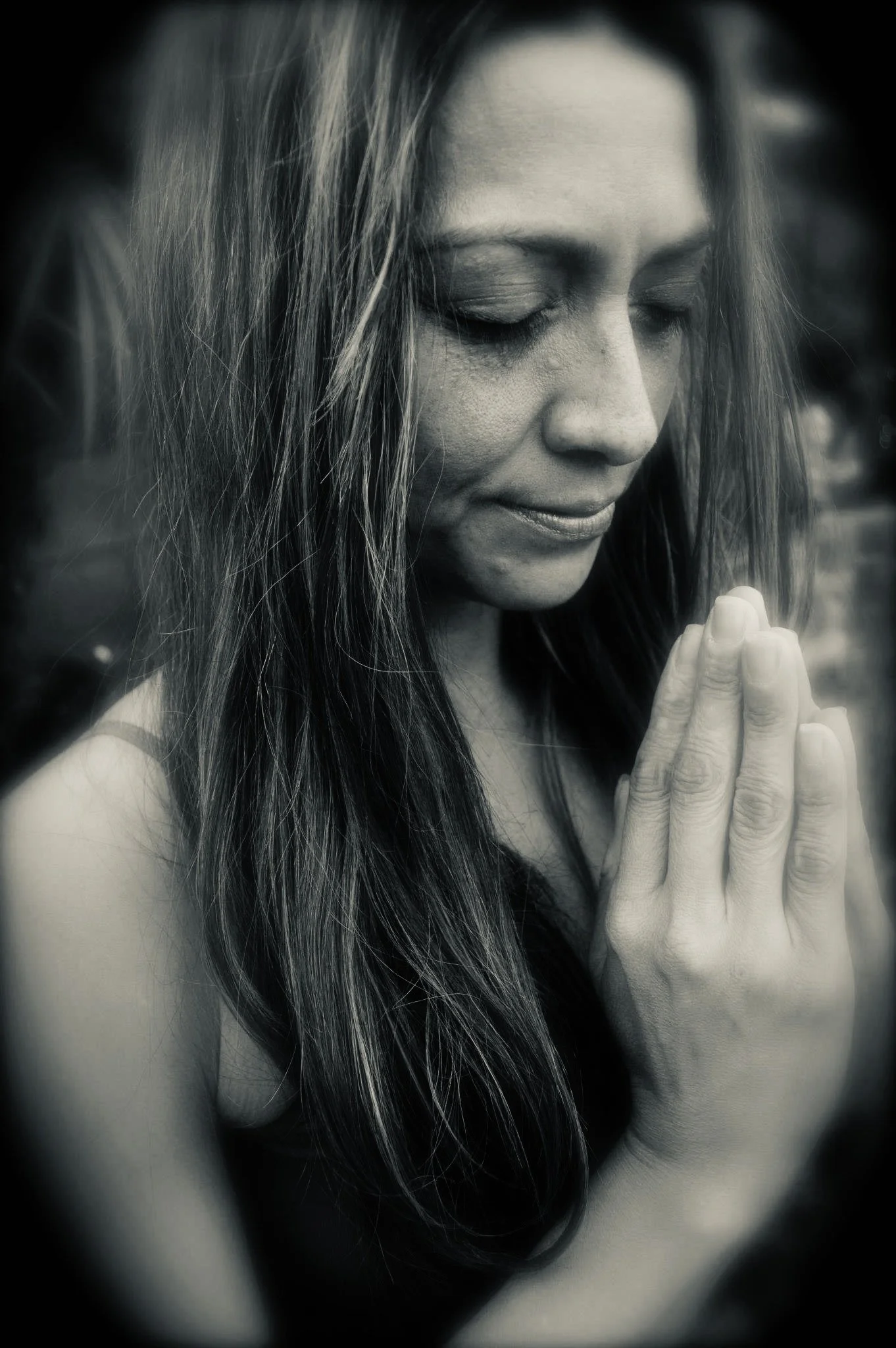
This reflection comes from my experience living and teaching on Maui, where wellness is shaped by nature, rhythm, and real-life practice.
I’m Christina Martini, based in Haiku, Maui, with over 30 years of experience in health and wellness coaching and healthcare. My background includes clinical nursing in oncology and chronic care management, supporting individuals with diabetes, heart conditions, and long-term health challenges with a focus on sustainable well-being, strength, and lifestyle balance.
I am also a mother of three grown children, and I understand the reality of balancing work, family, health, fitness, and life demands in everyday living.
Alongside my medical experience, I practice and teach holistic Ashtanga Yoga therapy with a Christ-centered intention. I offer breathwork, mindfulness, and movement-based fitness practices designed to support stress relief, nervous system regulation, recovery, and embodied healing—always grounded in Christ-centered faith.
Learn more at: www.christinamartiniyoga.com
Gentle Invitation to Practice
If this message resonates with you, you are welcome to join me in practice in Haiku, Maui.
Through breath-based movement, strength training, and mindful mobility, we create space to release tension, support recovery, build strength, and return to balance in real life not separate from it.
There is no pressure, only an invitation to care for your body again.
Explore more here: www.christinamartiniyoga.com
#ChristianFitness #FaithAndFitness #BodyAsTemple #ChristCenteredLiving #ChristianWellness #FitnessWithFaith #HolisticHealth #Breathwork #MobilityTraining #StrengthAndStewardship #MauiWellness #HaikuMaui #NervousSystemHealth #StressRelief #WellnessJourney #RestAndRecovery #PrayerAndMovement #LivingInChrist #HealthyLifestyle #FaithBasedHealth