


BREATHE
Traditional Ashtanga Yoga School of Health & Wellness
Self-Mysore Program - Led Guided Classes - Private Instruction Yoga Therapy - Yoga Teacher Training RYT200Hour Online Course - Wellness Retreat
Welcome to Ashtanga Yoga Therapy with Christina Martini
Your Mindful Wellness Practice
Aloha, and welcome! I’m so glad you’re interested in Ashtanga Yoga Therapy, a structured, mindful system of movement, breath, and awareness designed to support healing, wellness, and vitality. My goal is to help you connect and understand deeply your body, mind, and spirit, cultivating health, resilience, and presence—one breath, one posture at a time.
I practice and teach with values of care, integrity, and respect. I welcome students of all beliefs and backgrounds. Whether your approach is spiritual, secular, or wellness-focused, your practice is yours—an opportunity to breathe, move, restore, and fully experience life.
What to Expect in Practice
Breath and Movement Together: Every inhale and exhale nourishes your body and guides each posture.
Mindful Alignment: Postures support safety, mobility, and balance.
Therapeutic Benefits: Designed to improve physical, mental, and emotional well-being.
Your Own Pace: Honor your body and its unique needs—no comparison, only presence.
Core Principles
Breath as Life: Use breath to energize, calm, and release tension.
Awareness and Presence: Observe sensations, alignment, and energy flow.
Patience and Self-Respect: Respect limits, honor effort, and approach each posture with care.
Integration: Each breath and posture strengthens holistic health and mindful living.
Benefits of Ashtanga Yoga Therapy
Builds strength, flexibility, balance, and posture awareness
Enhances joint, bone, and spinal health
Supports neurological function, cardiovascular and metabolic health
Improves mental clarity, focus, and emotional resilience
Encourages daily self-care, mindfulness, and vitality
Mysore Self-Practice
Your Personal, Self-Paced Healing Practice
Mysore style is a self-led practice within a guided framework. Students move at their own pace while receiving individualized support. Breath is your guide, mindfulness is your compass, and growth is personal.
Key Elements:
Gradual introduction of postures
Focus on breath, alignment, and internal rhythm
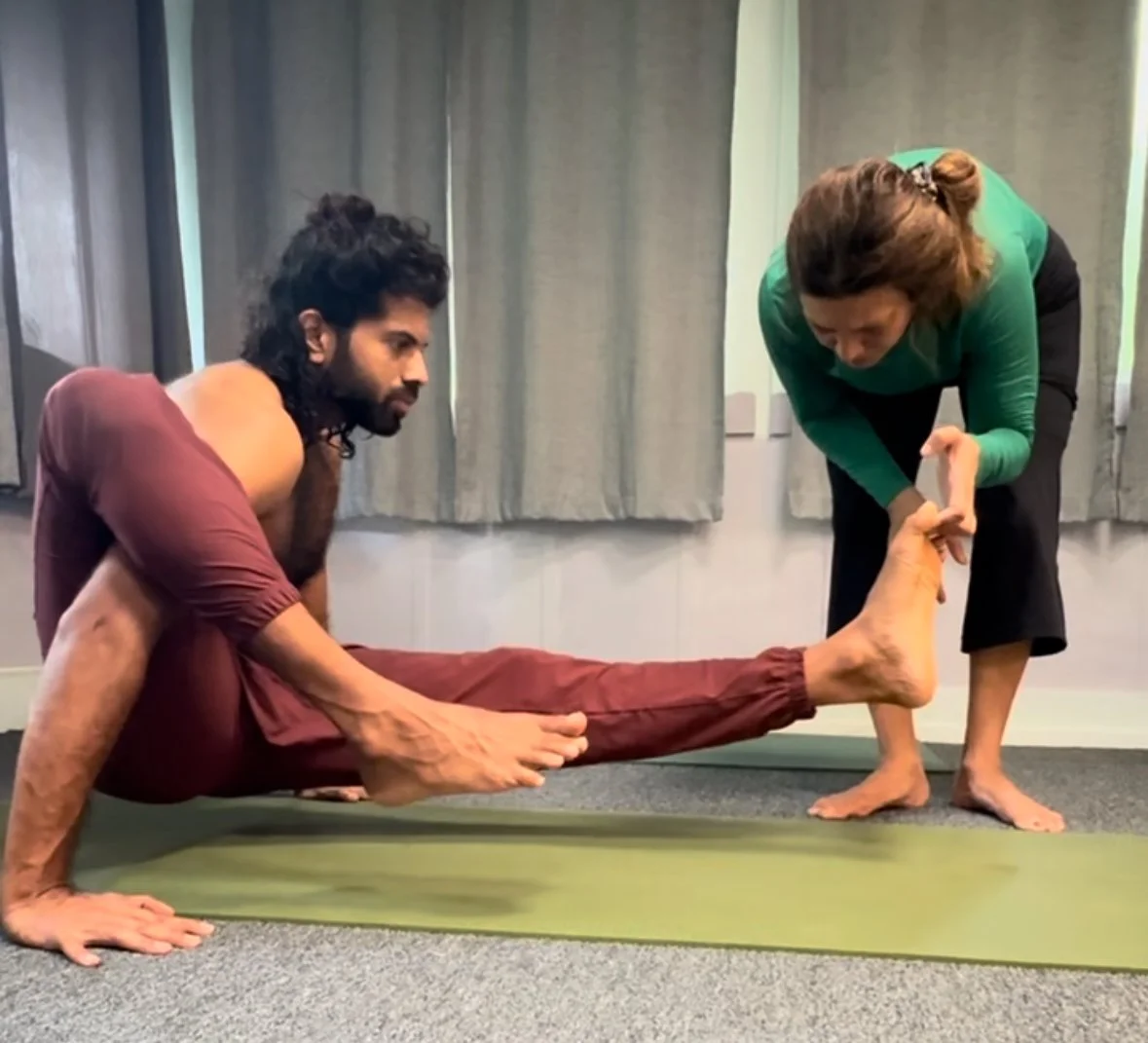
Individualized cues and adjustments as needed
Closing with reflection and rest
Led Primary Series
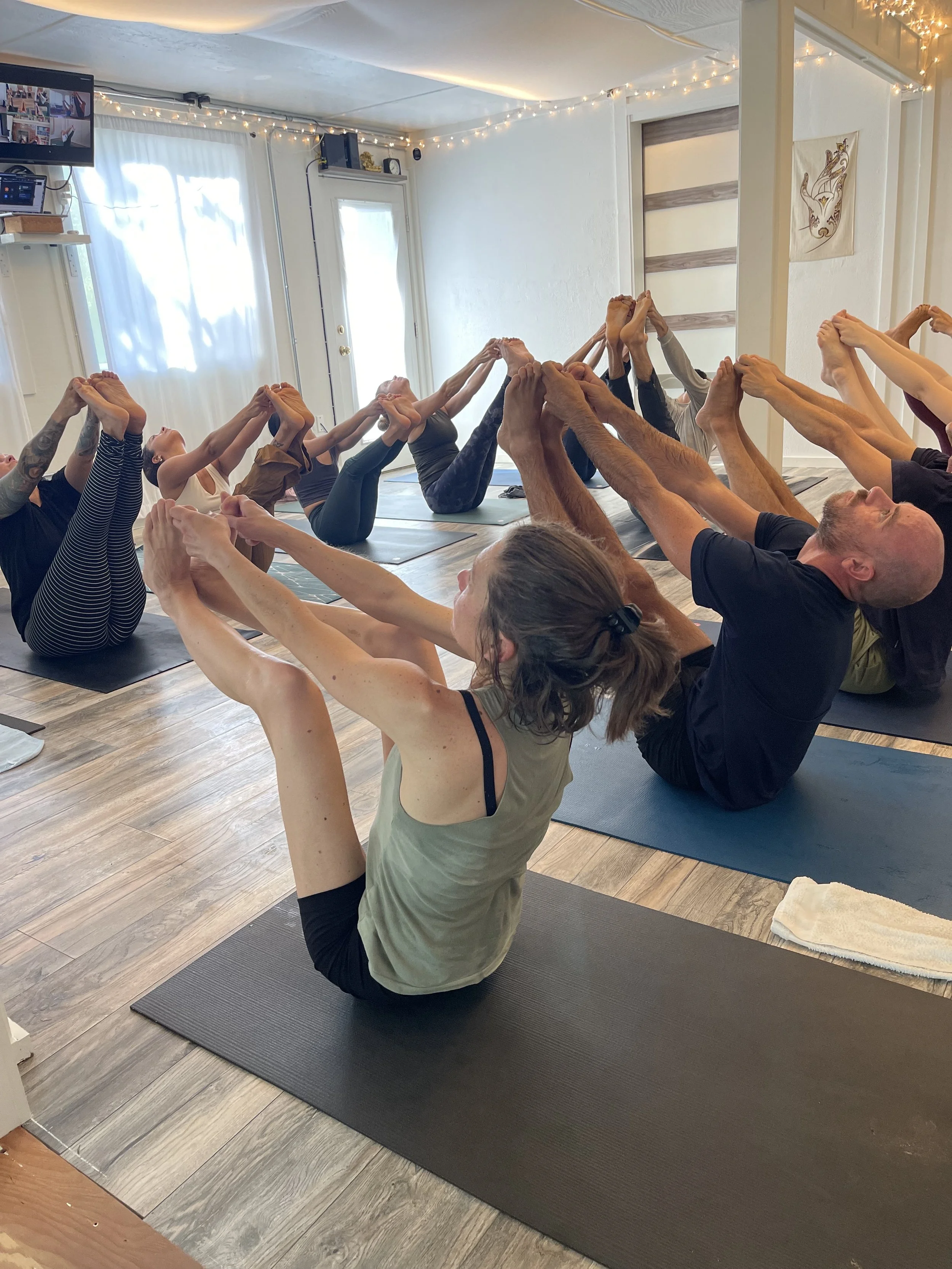
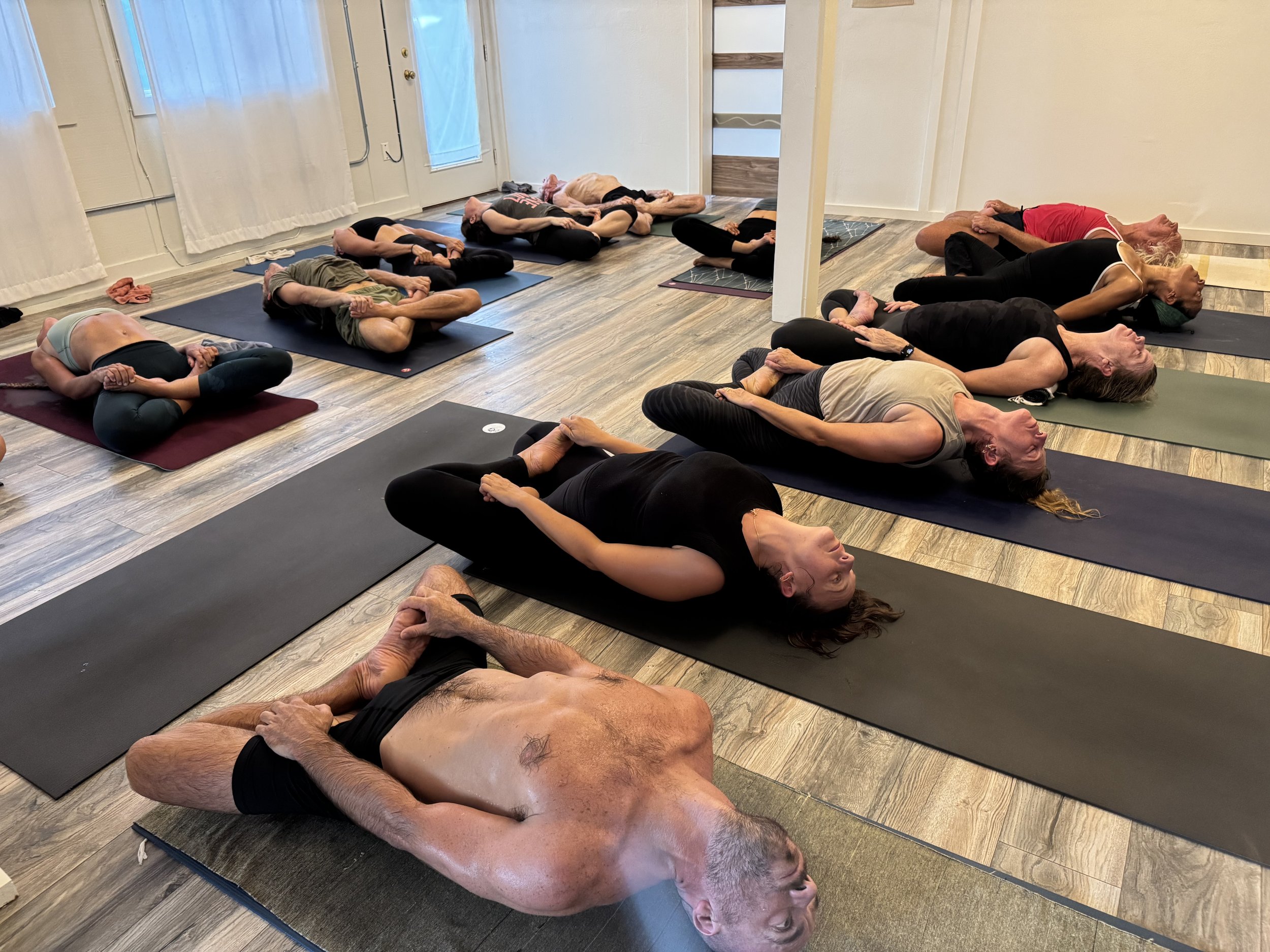
Teacher-Guided Group Practice
Led classes provide structured, flowing instruction, moving together with verbal cues and guidance for alignment and safety. Modifications are offered for different abilities, health needs, or pre-existing conditions.
Key Elements:
Breath-linked movements with teacher guidance
Mindful transitions and posture sequencing
Support for safe practice, alignment, and self-awareness
Closing with guided relaxation and reflection
Your Practice, Your Path
Whether your focus is wellness, therapy, fitness, or spiritual growth, Ashtanga Yoga Therapy supports your journey toward health, vitality, mindfulness, and holistic well-being. Every posture, pause, and breath is an opportunity to honor your body, deepen awareness, and experience life fully.
Our Offerings


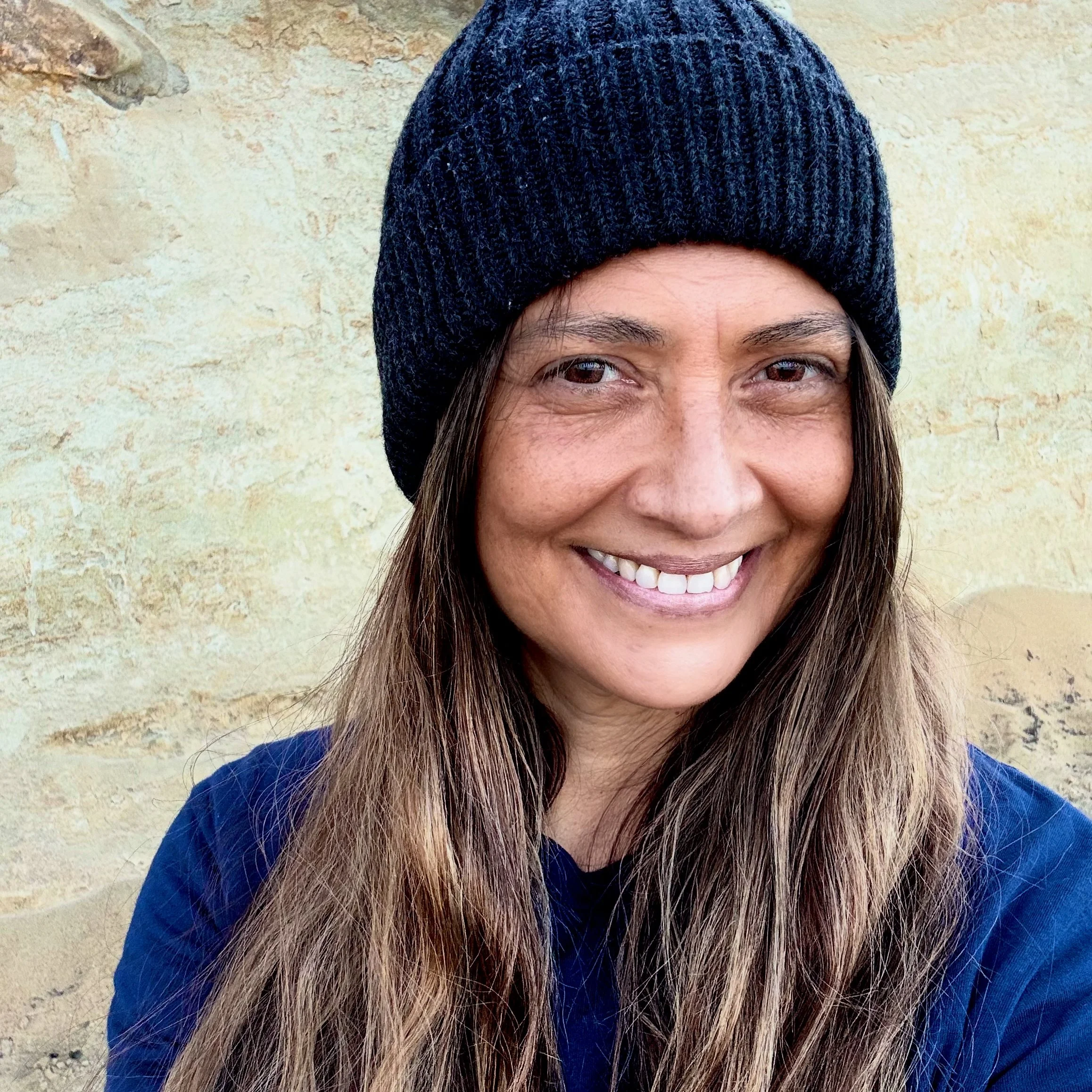
Christina Martini is a Senior Certified & Authorized Ashtanga Yoga Lineage Teacher, clinical medical holistic yoga therapist, a direct student of Manju Jois, and trained under lineage holders Nancy Gilgoff and David Williams. With over 30 years of experience with Eastern and Western therapeutic approaches, she integrates traditional Ashtanga Yoga, Ayurveda, Yoga Therapy, Integrative and Alternative Therapies, Breathwork, and Mindfulness Meditation, alongside her clinical expertise as an oncology and chronic care management nurse advocate, guiding students toward healing, balance, and holistic wellness.
Rooted in her Catholic and Christian faith as first the center and foundation of her life, Christina practices and teaches the Ashtanga Yoga system because it is designed to support multiple facets of health, well-being, and vitality. With three decades of personal practice, it has nurtured her own body, mind, and spirit, deepening her faith along the way. Her teaching emphasizes that consistent practice supports neurological function, cardiovascular health, metabolic balance, mental clarity, mindfulness, joint and spinal health, optimal performance, and overall vitality, while fostering emotional resilience, physical strength, and spiritual presence—honoring life as a sacred gift.
Christina teaches and welcomes students of all levels—from beginners to advanced practitioners, healthcare professionals integrating this discipline into care plans, and individuals from all walks of life, including those with pre-existing conditions—to study in the authentic Ashtanga & Ayurveda lineage, and to receive mentorship, wellness coaching, or therapeutic support. Her teaching cultivates an environment where every student can develop strength, awareness, and holistic health, welcoming students of all faiths and beliefs.
About Christina Martini
Join Our Community (Sangha)
Start or deepen your ashtanga journey with us.